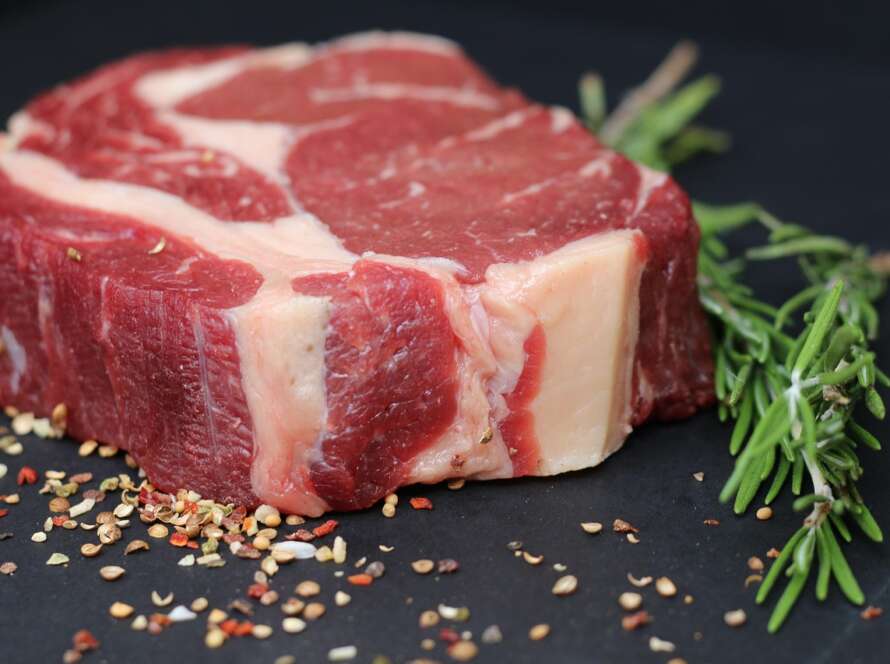

In recent years, artificial intelligence (AI) has evolved from a futuristic impossibility to a key ally across multiple sectors, and one of the most promising is cultivated meat production. This disruptive technology is revolutionizing the way we envision the food of the future.
AI plays a transformative role in this process by optimizing every stage of the production chain—from initial cell selection to bioreactor design and the formulation of more efficient growth media.
Moreover, its application enhances quality and safety standards. In a global context where the demand for protein grows alongside population increases, the combination of AI and food biotechnology represents a historic opportunity.
Artificial Intelligence to optimize cell cultivation
Cultivated meat production is a complex process that requires precise control from the start. Selecting the right cells is critical, as not all behave the same or have the same growth potential. This is where AI adds significant value. Using machine learning algorithms, it can analyze thousands of data points to quickly identify the cells with the best qualities, thus accelerating the initial cultivation phase. According to the Joint Research Centre (JRC), the use of AI can cut in half the time needed to identify and optimize new cell lines.
Once cultivation begins, AI allows for real-time adjustments of factors that influence cell growth, such as temperature, pH, oxygen levels, and nutrients. This immediate response capability improves process efficiency, reduces errors, and ensures a high-quality final product. Additionally, it can predict cell behavior and suggest optimal conditions without requiring extensive experimentation.
Efficiency and safety through AI
Furthermore, automation powered by AI enables more stable large-scale production. According to the Food and Agriculture Organization (FAO), this automation and the use of AI can increase the efficiency of biotechnological processes by up to 30%.
The challenges AI faces
Although artificial intelligence is delivering highly promising results, there are still challenges to overcome. For example, it is essential to establish clear standards on how these systems should be used in food production processes, how to protect the data they generate, and how to train professionals to work with these technologies.
In short, artificial intelligence is playing a fundamental role in the advancement of cultivated meat. That’s why, at BioTech Foods, we believe that the future of food lies in integrating intelligent technologies with scientific research to offer solutions that address today’s challenges.